
The South African government has announced a set of short-term measures aimed at cushioning consumers from steep fuel price increases expected in April 2026, according to a joint statement released on 31 March 2026.
The announcement was made by Finance Minister Enoch Godongwana and Mineral and Petroleum Resources Minister Gwede Mantashe, following consultations between the National Treasury and the Department of Mineral and Petroleum Resources. According to the statement, the intervention comes amid rising global oil prices triggered by escalating conflict in the Middle East, which has placed significant pressure on domestic fuel costs. Data from the Central Energy Fund indicates that South Africa is facing historically high fuel price increases from April.
As part of Phase 1 of the intervention, the statement notes, the general fuel levy will be temporarily reduced by R3 per litre from 1 April to 5 May 2026. This will bring the petrol levy down from R4.10 to R1.10 per litre, and diesel from R3.93 to R0.93 per litre for the duration of the measure. According to the statement, this relief will cost the fiscus an estimated R6 billion in lost revenue over the one-month period. However, government has indicated that the measure is designed to be fiscally neutral, with plans in place to recover the foregone revenue within the current budget framework.
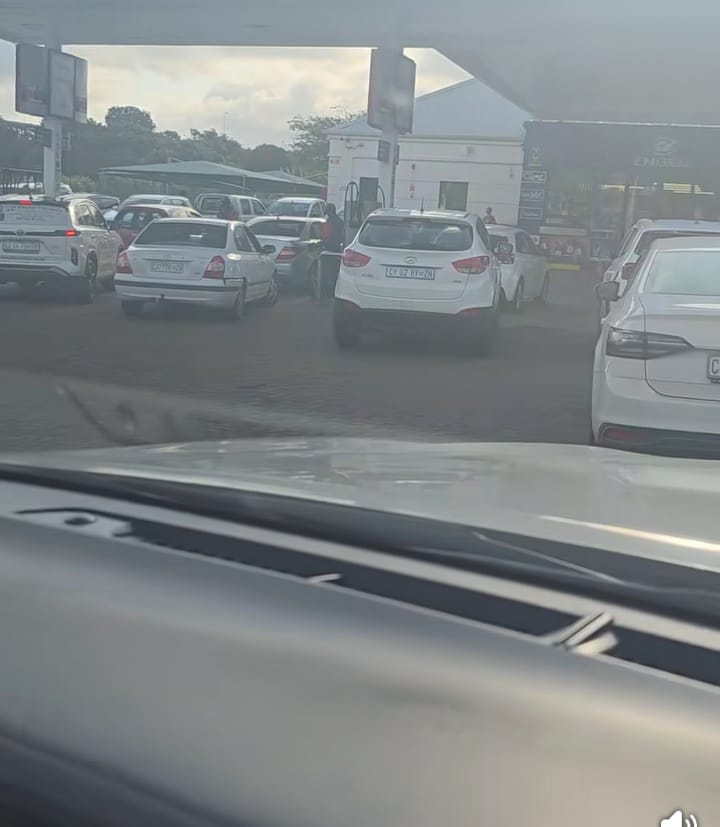
The decision, according to the statement, seeks to strike a balance between easing pressure on households particularly in terms of food and transport inflation and maintaining the country’s fiscal stability. Government also moved to calm fears of fuel shortages. According to the statement, South Africa has sufficient fuel supply to meet current and projected demand. Reports of shortages in some areas are attributed to logistical challenges and panic buying rather than a lack of national stock.
Motorists and businesses have been urged to avoid stockpiling fuel, as the statement emphasises that supply disruptions are expected to stabilise in the coming days. Looking ahead, Phase 2 of the plan will focus on broader structural interventions. According to the statement, the Department of Mineral and Petroleum Resources will continue reviewing the fuel pricing system, while additional support measures for households and key economic sectors are being developed. Government has reaffirmed its commitment to protecting consumers while ensuring long-term economic sustainability, according to the statement.