


Fuel Levy Relief Offers Little Comfort To Business People
A temporary reduction in the fuel levy announced by Finance Minister Enoch Godongwana has done little to reassure some small-business owners, with one Matatiele tavern owner saying businesses need a long-term solution to rising fuel and operating costs.
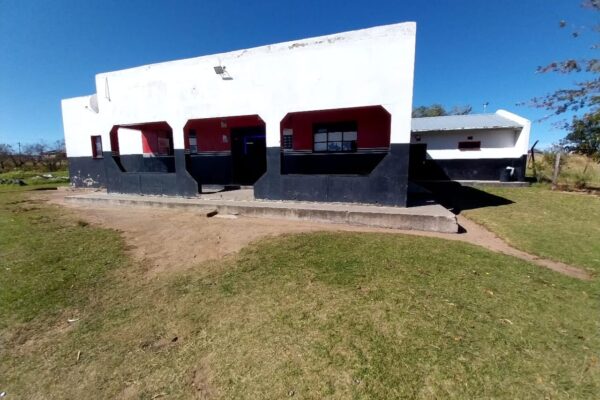
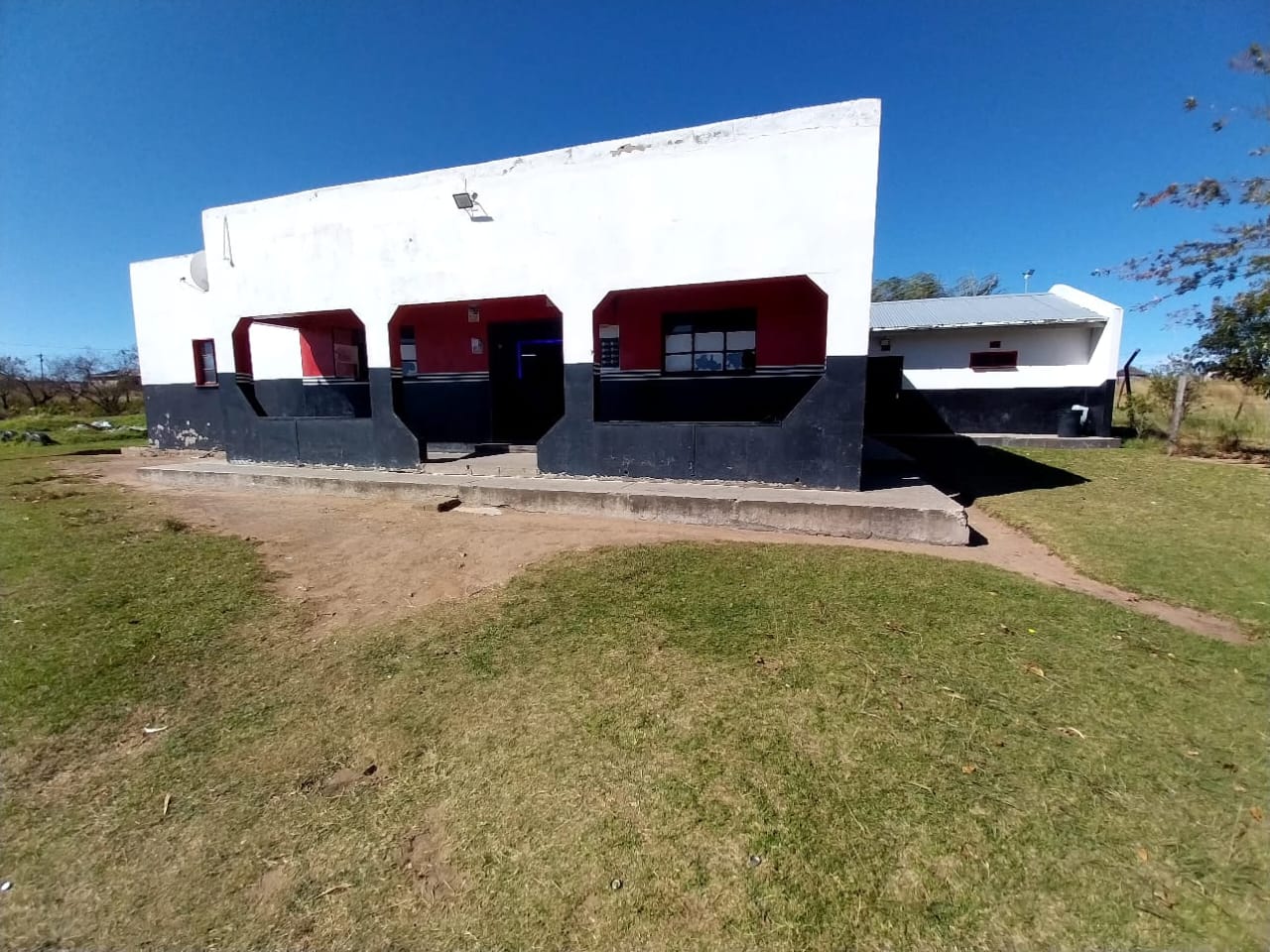
Khaya Qolo, who owns Endlini YoMlungu, also known as Khula By Tavern, in Khauoe Village, Matatiele, said the continued increases in fuel prices over the past two years have made it difficult for small businesses to plan and grow. His comments come after Godongwana announced a R10 billion temporary fuel-levy relief package during the Medium-Term Budget Policy Statement on Wednesday 21 October 2026. Under the relief measures, the fuel levy will be reduced by R1.50 per litre for petrol and R3 per litre for diesel from 4 November to 1 December 2026. The reduction will then continue at a lower level until 5 January 2027.
However, Qolo said the temporary intervention would not necessarily translate into meaningful savings for businesses such as his because the cost of stock had already increased. “As people who are in business, especially businesses like mine, we don’t really see or feel the difference that the Minister is talking about because the stock has already increased in price,” Qolo said.
He explained that when he goes to purchase stock for his tavern, he now spends more money on a smaller amount of goods than he would have previously. “When you go to stock for your business, you come back having spent a lot of money, but because the prices have already gone up, you end up paying more money for limited stock. When you come back to sell that stock, you have to try to recover the money you spent, which means you also have to increase your prices,” he said.
According to Qolo, this creates a difficult situation between businesses and their customers, as customers complain about rising prices while business owners themselves struggle with increasing costs. “Customers complain that we are now expensive, but as business people we are also complaining about the same thing when we go and stock our businesses,” he said. Qolo said a similar temporary fuel-levy intervention earlier in the year did not have a noticeable impact on his business, arguing that temporary measures do not provide businesses with the certainty needed to plan for the future. “I think the Minister should come up with a solution to this problem, not a temporary solution or even just a fuel-levy reduction,” he said.
He said businesses need to be able to plan for their future, just as they would normally plan what they want to achieve by the end of the year or over the next two years. “If we continue like this without a permanent plan, it affects our businesses because instead of your business growing, it slowly goes down,” Qolo said.
Qolo also raised concerns about what he described as inadequate investment in infrastructure that could help the country respond to fuel-price pressures. He argued that stronger investment in infrastructure and fuel security would provide South Africa with greater capacity to withstand periods of rising fuel prices, rather than relying on temporary interventions.
He further said that the increasing cost of doing business was putting additional pressure on tavern owners, who have to deal with taxes, municipal costs and competition from what he described as illegal taverns. “As business people, we do not feel protected by government,” Qolo said.
He said the impact of fuel increases was not limited to business owners, arguing that ordinary consumers were also affected because increases in fuel costs eventually feed into the prices of goods and public transport. “Even people who use public transport are affected because when the price of petrol goes up, the prices at shops and transport costs also go up,” he said. For Qolo, the issue is therefore bigger than a temporary reduction in the fuel levy. He said small businesses need a predictable and sustainable approach to fuel prices and the broader cost of doing business if they are expected to grow, create employment and contribute to local economies.