



“Injected animals must not be slaughtered or consumed for at least three weeks, as failure to observe this period could make people sick.”
The Matatiele Local Municipality on Tuesday convened a stakeholder engagement session at the New Council Chambers to address the outbreak of Foot and Mouth Disease (FMD) in the area. The meeting brought together traditional leaders, ward councillors, local farmers, and officials from the Department of Agriculture to share information and engage on the current situation.
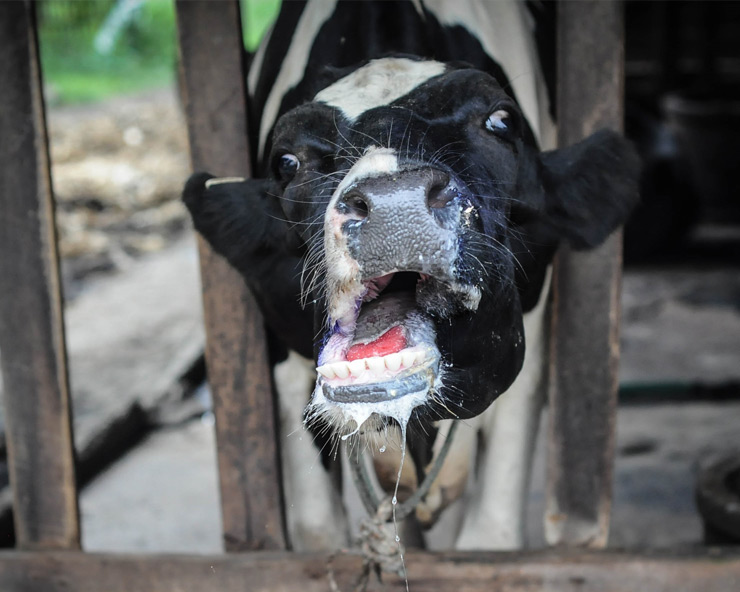
Presenting on behalf of the Department of Agriculture, Dr Ncedeka Ndzamela explained that Foot and Mouth Disease is a highly contagious viral disease that affects cloven-hoofed animals such as cattle, sheep, goats, and pigs. She outlined the clinical signs, which include fever, excessive drooling, blisters in the mouth and on the feet, sores or tears on the hooves, a drop in milk production, poor growth, lameness, and reluctance to walk.
Dr Ndzamela revealed that a total of 12 cases have been investigated, with six confirmed positive for Foot and Mouth Disease. She stressed the importance of early reporting and strict adherence to control measures to prevent the further spread of the disease. She also informed stakeholders that an awareness campaign targeting various wards across the municipality is currently underway. The campaign will be strengthened through on-going communication with ward councillors and traditional leaders to ensure that communities and farmers are well informed about prevention methods, symptoms, and reporting procedures.
Dr Ncedeka Ndzamela confirmed that the reported cases are located around Matatiele and parts of Cedarville, including farming areas such as Commonage. She urged farmers and community members to play an active role in controlling the spread of the disease. “We must not move livestock from areas where the disease status is unknown. Where livestock movement is unavoidable, people must strictly follow the regulations that were gazetted in June last year,” she said.
Dr Ndzamela further emphasized the importance of using appropriate disinfectants and medication to kill viruses and prevent the spread of Foot and Mouth Disease in order to protect livestock. Dr Ndzamela urged farmers who suspect any symptoms of the disease to immediately contact their nearest Department of Agriculture office. “We can send veterinary officials to conduct blood tests, examine blisters, and advise farmers not to move their livestock,” she said.
Dr Ndzamela added that the department is awaiting vaccines announced by the Minister of Agriculture, which have been ordered from other countries, as South Africa currently does not produce them. Although the disease does not affect humans, Dr Ndzamela warned against slaughtering infected animals, as this may contribute to further spread. “We encourage those planning to slaughter livestock to use approved abattoirs. If slaughtering at home is unavoidable, farmers must first contact us to assess the animal. Parts such as the head, legs, and internal organs should not be consumed, as the virus is present in those areas,” she explained.
Dr Ndzamela also cautioned farmers who administer medication to their animals to observe withdrawal periods. “Injected animals must not be slaughtered or consumed for at least three weeks, as failure to observe this period could make people sick,” she said.